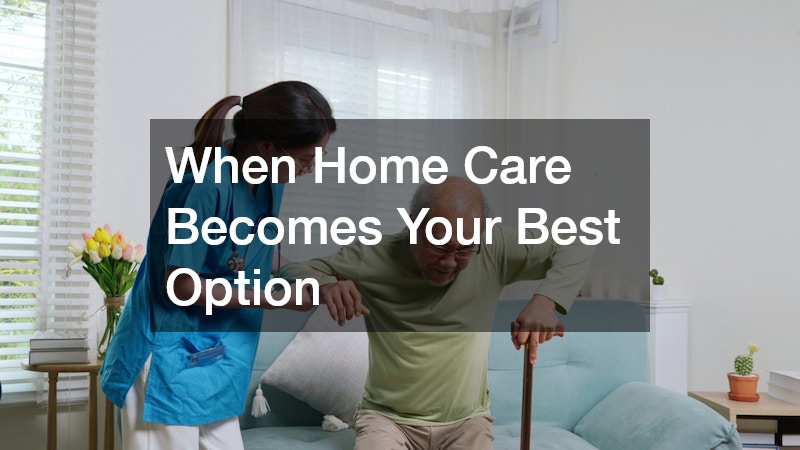
For many, the home is far more than a structure; it is a repository of a lifetime of memories and a symbol of the autonomy they have spent decades building. However, as physical or cognitive changes occur, the very environment that once provided comfort can begin to present significant risks. Navigating this shift requires a delicate balance between respecting a loved one’s desire for independence and ensuring they have the medical and social support necessary to live safely. Choosing senior home care is frequently the most effective way to strike this balance, by understanding the specific indicators that suggest a need for assistance, ensuring that the home remains a sanctuary of well-being.
Recognizing the Signs of Physical Decline
Physical changes in older adults often occur so gradually that they are easily overlooked or dismissed as a natural part of aging until a significant event, like a fall, forces a reassessment. While a decrease in speed or stamina is expected, a consistent struggle to perform basic tasks of daily living suggests that the individual’s needs have surpassed their current abilities.
When a person can no longer maintain their personal hygiene or manage the physical demands of preparing a meal, it signals a loss of functional independence that can lead to further health complications. Recognizing these shifts early is essential for preventing the spiral of frailty that often results from untreated physical limitations. Professional caregivers provide the gentle, consistent support needed to manage these tasks, thereby preventing the exhaustion and accidents that lead to major medical emergencies.
Assessing the Risks of Social Isolation
Social withdrawal is a quiet but devastating challenge that frequently affects seniors living alone, often leading to a rapid decline in mental acuity and emotional health. Human connection is a fundamental biological necessity, and without it, individuals are at a much higher risk for depression, anxiety, and even cardiovascular issues. When a person stops engaging with friends or loses interest in long-held hobbies, it is rarely just a matter of “slowing down”; it is often a sign that the effort required to socialize has become physically or cognitively overwhelming. Addressing this isolation is just as critical as managing a physical ailment, as emotional health is the foundation of overall wellness.
Managing the Complexity of Chronic Illnesses
Living with multiple long-term health issues demands a level of vigilance and medical literacy that can be taxing for even the most capable individuals. Managing multiple prescriptions, monitoring blood sugar levels, or tracking respiratory output requires a disciplined routine that is easily disrupted by fatigue or memory lapses. When a senior is struggling to keep up with the demands of their own medical care, the risk of a hospital readmission increases exponentially. Professional intervention ensures that these medical requirements are integrated into the daily routine seamlessly, reducing the cognitive load on the patient and ensuring clinical compliance.
Evaluating the Safety of the Living Environment
The home environment itself can become a source of danger as an individual’s mobility, balance, and vision change over time. What was once a comfortable living room can become a maze of trip hazards, and a staircase that was never an issue can become an insurmountable barrier to reaching a bedroom or bathroom. When the home is no longer a safe place to navigate independently, it is a clear sign that external support is necessary to prevent a life-changing accident.
Supporting the Wellbeing of Family Caregivers
The impact of caregiving on family members is a critical factor that is often overlooked until the caregiver themselves reaches a point of physical or emotional burnout. Many children or spouses take on the role of primary caregiver out of love, but they often lack the training and the time to handle the increasing complexity of a senior’s needs. This stress can lead to physical illness, financial strain, and the fraying of family relationships. Bringing in professional help is not a sign of failure on the part of the family; rather, it is a strategic decision to preserve the quality of the relationship by shifting the “worker” role to a professional.
Recognizing the transition point where home care becomes the best option is a powerful step toward ensuring a high quality of life for an aging loved one. By staying alert to the signs of physical decline, the shadows of social isolation, and the increasing burden of medical management, families can act before a medical emergency dictates the outcome. The goal of bringing professional support into the home is not to limit freedom, but to provide the necessary structure that allows independence to flourish in a safe environment.