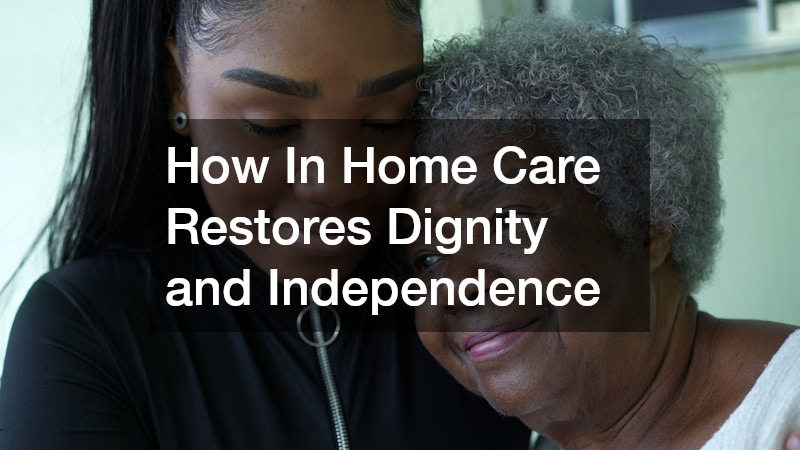

The decision to seek assistance for an aging or ill loved one is often fraught with emotional complexity, as families strive to balance the need for safety with the deep-seated desire for personal freedom. Transitioning to a professional support model does not have to mean a loss of control; in fact, choosing a quality in home care solution often acts as a catalyst for renewed confidence and self-reliance. By bringing specialized help directly into the familiar sanctuary of one’s own residence, seniors can avoid the institutional rigidity that often leads to a decline in morale. This approach ensures that the individual remains the primary director of their own life, receiving just enough support to overcome physical hurdles without sacrificing their unique identity or daily routines.
Empowering Seniors Through Personalized Care Plans
A personalized approach to assistance is the cornerstone of preserving a person’s sense of self-worth during the aging process. Unlike communal living environments where schedules are dictated by the needs of the group, in home care focuses entirely on the specific preferences, history, and goals of a single person. This specialized attention ensures that the support provided is never intrusive or overwhelming, but rather a seamless extension of the individual’s existing lifestyle.
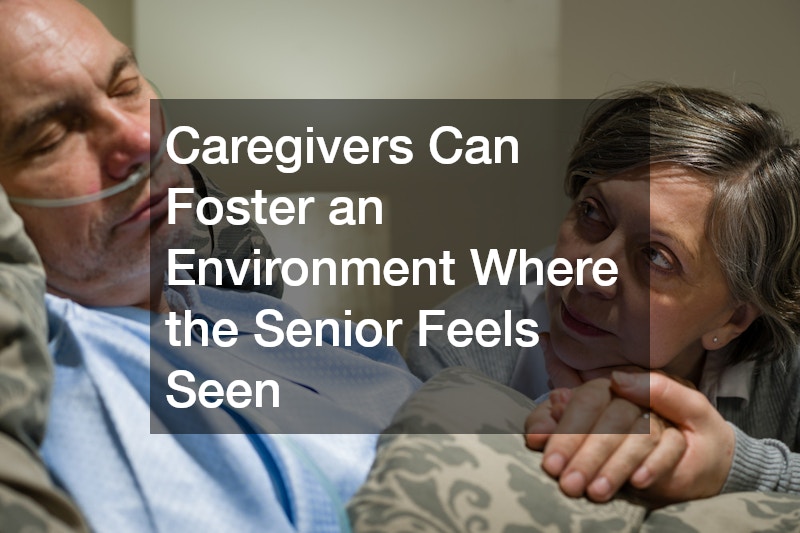
By tailoring every interaction to the person’s unique physical and emotional requirements, caregivers can foster an environment where the senior feels seen, heard, and truly understood.
Maintaining Autonomy in Familiar Living Environments
Remaining in one’s own home is perhaps the most powerful way to maintain a sense of autonomy and continuity in later life. A home is more than just a physical structure; it is a repository of memories, a reflection of personal taste, and a source of profound comfort that provides a stable foundation during times of health transitions. When care is delivered within these familiar walls, the individual retains their status as the “head of the household,” which is a vital component of their social and mental identity. Being surrounded by one’s own belongings and neighbors provides a level of security that no clinical facility, no matter how luxurious, can truly replicate.
Preserving Self-Respect During Personal Care Routines
Receiving help with sensitive tasks like bathing, dressing, or toileting can be a significant hurdle for many seniors, often bringing up feelings of vulnerability or embarrassment. Professional caregivers are trained to approach these moments with a high degree of clinical professionalism mixed with genuine empathy, ensuring that the senior’s privacy and modesty are always protected. By shifting these intimate responsibilities from a family member to a neutral professional, the emotional friction often found in parent-child caregiving dynamics is greatly reduced. This professional distance actually makes it easier for the senior to accept help while maintaining their status as a dignified adult.
Cultivating Independence Through Supervised Daily Activities
True independence is often found in the ability to participate in the world, and professional support provides the “safety net” necessary for seniors to stay active. Many individuals begin to withdraw from hobbies or errands because they fear falling or becoming confused while alone. A caregiver provides the physical and cognitive bracing needed to tackle these activities with confidence, turning a daunting task back into a manageable routine. This supervision is not about taking over the activity, but about providing the expert guidance that allows the senior to push their boundaries safely.
Strengthening Social Connections Within the Local Community
Isolation is one of the greatest threats to senior health, and professional home support acts as a vital bridge to the outside world. Unlike a facility where social interactions are often limited to other residents and staff, home-based care allows a person to remain an active participant in their existing community. Caregivers can provide the transportation and logistical support needed for a senior to attend their regular bridge club, go to church, or simply visit a local coffee shop. Maintaining these long-standing social threads is essential for preventing the depression and cognitive decline associated with loneliness.
The transition to professional support should be viewed as an act of empowerment that safeguards a senior’s right to live a full and self-directed life. By focusing on the individual rather than the task, in home care provides a unique blend of safety and freedom that allows a person to age with their head held high. It is a solution that honors the past while securing the future, ensuring that every day is defined by personal choice rather than institutional necessity. When families choose this path, they are giving their loved ones the greatest gift possible: the ability to remain themselves in the place they love most.