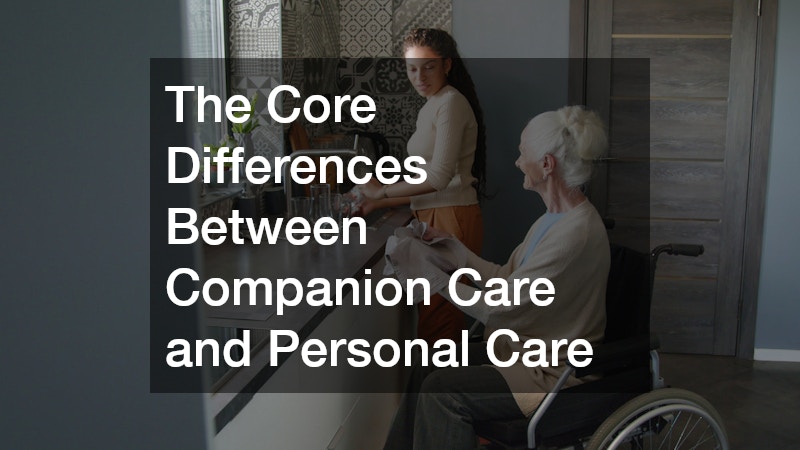

Companion care provides non-medical assistance and companionship to individuals, often the elderly. Its primary focus is on improving the emotional and social well-being of the care recipient.
This service caters to those who may feel isolated or require more engagement in their daily lives.
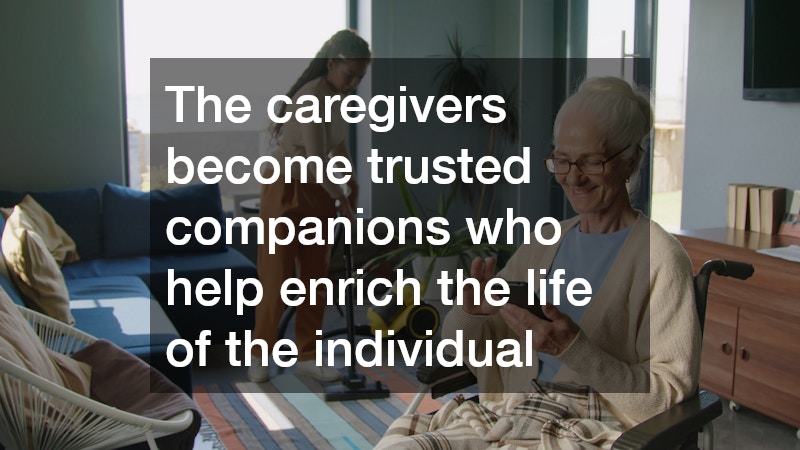
The caregivers become trusted companions who help enrich the life of the individual through conversation, activities, and outings. The role of a companion usually does not involve personal care tasks or medical interventions. Instead, it is centered around providing emotional support and company to maintain or enhance the quality of life.
The core objective is to reduce loneliness, which can have detrimental effects on one’s physical and mental health. Companion care often includes helping with daily errands, organizing appointments, and even being a helpful partner during leisure activities. It plays a critical role in allowing individuals to maintain their independence as they age.
Defining Personal Care Services
Personal care services address the more intimate needs of individuals who may require assistance with daily activities. This includes help with bathing, dressing, grooming, and managing medications. Personal care supports those who have physical or cognitive impairments that affect their ability to care for themselves independently.
Typically, personal care is comprehensive and tailored to meet the specific needs of the individual. Caregivers involved in personal care often possess specialized training to perform these tasks safely and effectively. While ensuring dignity and privacy, personal care services aim to enhance the comfort and health of the care recipient.
This type of care is crucial for individuals with chronic health issues or those recovering from surgeries or illnesses. Personal care can be provided in various settings, including the individual’s home, which offers a sense of continuity and familiarity. The presence of trained caregivers ensures that all physical care needs are met efficiently.
The Emotional Impact of Companion and Personal Care
Both companion and personal care services significantly influence the emotional well-being of the individual. Companion care particularly enhances social interaction, which is critical for mental health and reduces feelings of loneliness. Regular interaction and engagement with a compassionate caregiver can uplift the mood and outlook of an elderly person.
Personal care, while more focused on physical assistance, also provides emotional support through a respectful and empathetic caregiver-patient relationship. This emotional support fosters a sense of trust and security. Ensuring that the individual’s personal needs are respectfully managed can significantly boost self-esteem and emotional health.
Family members often notice improvements in the mood and overall behavior of their loved ones once they receive appropriate care. Balancing these two types of care can lead to a holistic approach to addressing both physical and emotional needs. The recognition of these needs underlines the importance of integrating both companion and personal care into eldercare strategies.
Choosing Between Companion Care and Personal Care
Deciding between companion care and personal care depends largely on the individual needs of the recipient. If the primary goals are to combat loneliness and ensure social interaction, companion care might be more suitable. However, if the individual struggles with daily personal tasks due to health conditions, personal care would be the appropriate choice.
Families and caregivers need to conduct thorough assessments of the requirements and preferences of the elderly or disabled individual. This assessment helps in selecting the most beneficial and practical solution. It is not uncommon for many individuals to benefit from a combination of the two, offering a comprehensive care approach.
Cost considerations and the availability of local services also play a significant role in making this decision. With the right guidance and planning, one can establish a care routine that effectively supports the individual’s lifestyle and health. Collaboration with healthcare professionals can further guide families to make informed choices about their care services.