Pushing your body through an intense workout is only half the equation—what you do in the hours and days afterward determines whether you come back stronger or end up sidelined by injury. Sore muscles, stiffness, and fatigue are signals that your body needs specific resources to rebuild, not just rest. Understanding what actually happens inside your muscles after exercise can help you make smarter choices about sleep, nutrition, hydration, and hands-on recovery methods. This guide breaks down exactly what your body needs to bounce back and keep progressing safely.
Replenish Fluids and Electrolytes After Training
When you train hard, you lose more than just water through sweat—you lose sodium, potassium, and magnesium, all of which are essential for muscle contraction and nerve signaling. Sweat rates vary widely, but many athletes lose anywhere from 0.5 to 2 liters per hour of intense exercise, and sodium losses alone can range from 500 to 1,500 mg per liter of sweat. Dehydration slows down the delivery of nutrients to damaged muscle fibers and can make soreness feel more intense than it needs to be. A simple way to gauge fluid loss is to weigh yourself before and after training; for every pound lost, aim to drink roughly 16-24 ounces of fluid to fully rehydrate. Plain water works for shorter sessions, but if you’ve trained for over an hour or sweated heavily, adding electrolytes—through a sports drink, electrolyte tablet, or even a salty snack—helps your body actually retain that fluid instead of flushing it out through urine. Replacing fluids within the first hour after exercise gives your body a head start on the repair process. This window matters because rehydration supports blood volume, which in turn helps transport oxygen and nutrients to the muscle tissue that needs repairing. Skipping this step doesn’t just prolong soreness; it can also blunt your energy and performance in your next training session.
A good rule of thumb is to drink enough that your urine returns to a pale yellow color within a few hours of finishing your workout. Sipping steadily rather than chugging a large volume all at once also helps your body actually absorb the fluid instead of flushing it straight out. For sessions under an hour, plain water is usually sufficient to cover your losses. But if you trained hard for 60-90 minutes or sweated heavily, especially in hot or humid conditions, electrolyte drinks or a snack with a pinch of salt can restore balance faster than water alone. Sodium, potassium, and magnesium are the key electrolytes lost through sweat, and replacing them matters because they help your muscles contract properly and prevent post-workout cramping. Good options include a sports drink, coconut water, or simple foods like a banana with salted nuts or pretzels paired with water. Weighing yourself before and after intense workouts can also give you a rough guide — for every pound lost, aim to drink around 16-24 ounces of fluid over the following hours.
- Weigh yourself before and after intense workouts (nude or in dry clothes) to estimate fluid loss — every pound lost equals roughly 16 oz of fluid to replace
- Aim to drink about 20-24 oz of fluid for every pound of body weight lost during training
- Add electrolyte tablets or powders to water during long or sweaty training sessions, especially those lasting over 60-90 minutes
- Look for electrolyte blends containing sodium, potassium, and magnesium, since sodium is the mineral lost in the highest concentration through sweat
- Eat water-rich foods like watermelon, oranges, or cucumbers to support rehydration and add natural electrolytes
- Avoid excessive caffeine or alcohol immediately after training, as both act as diuretics and promote fluid loss
- If urine appears dark yellow post-workout, continue rehydrating steadily rather than drinking a large volume at once, which can overwhelm the kidneys
Fuel Muscle Repair With the Right Nutrients
Muscle tissue breaks down during intense exercise, and protein provides the amino acids necessary to rebuild it stronger than before. Aim to eat a source of protein within two hours of finishing your workout, since this window is when your muscles are most receptive to nutrient uptake. Carbohydrates matter too, since they restore glycogen stores that fuel your next session.
Micronutrients like vitamin C, zinc, and omega-3 fatty acids also play a supporting role by reducing inflammation and supporting collagen production in connective tissue. Skipping meals or under-eating after hard training can significantly slow down your recovery timeline, leaving you fatigued for days.
- Pair protein with carbohydrates for optimal glycogen replenishment
- Include leafy greens and colorful vegetables for antioxidant support
- Consider a protein shake if whole food isn’t practical right after training
- Don’t skip fats entirely, as they support hormone production tied to recovery
Prioritize Sleep for Hormonal and Tissue Repair
Sleep is when your body releases the majority of its growth hormone, a key driver of muscle repair and tissue regeneration. Skimping on sleep after intense training doesn’t just leave you groggy—it directly impairs your muscles’ ability to heal and rebuild. Adults who train hard should aim for seven to nine hours per night, with some athletes benefiting from short daytime naps as well.
Poor sleep also raises cortisol levels, a stress hormone that can break down muscle tissue and interfere with recovery over time. Creating a consistent sleep schedule, limiting screens before bed, and keeping your room cool and dark can all improve sleep quality on the nights that matter most.
- Keep a consistent bedtime, even after late evening workouts
- Avoid heavy meals or caffeine close to bedtime
- Use blackout curtains or a sleep mask to deepen rest
- Track sleep patterns to spot habits that hurt recovery
Use Hands-On Therapies to Release Muscle Tension
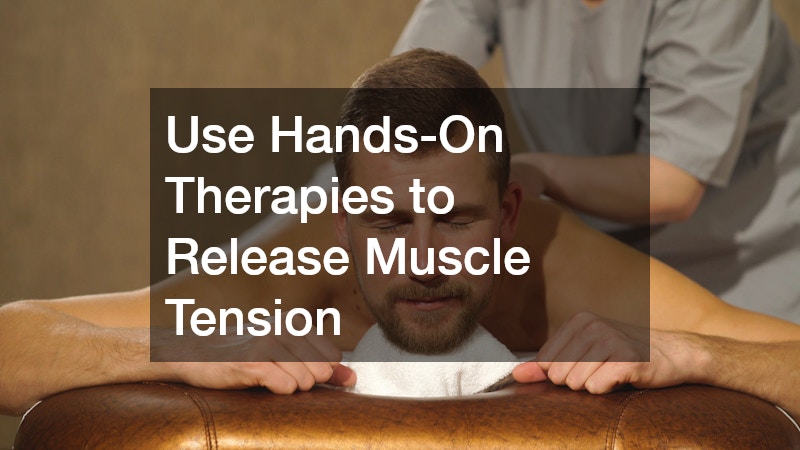
Sore, tight muscles after intense training often benefit from targeted manual work that increases blood flow and reduces stiffness. Deep tissue massage therapy focuses on the deeper layers of muscle and connective tissue, helping to break up adhesions and improve range of motion after particularly demanding sessions. This approach is especially useful for athletes dealing with chronic tightness in areas like the hamstrings, shoulders, or lower back.
Regular massage therapy sessions, even at a lighter pressure, can also support recovery by reducing muscle soreness and promoting relaxation of the nervous system. Many people find that scheduling a session a day or two after an intense training block helps them return to their next workout feeling looser and less fatigued.
- Ask about pressure preferences before a session to avoid excessive soreness afterward
- Schedule sessions on rest days rather than immediately before hard training
- Combine massage with stretching for longer-lasting mobility gains
- Stay hydrated after a session to help flush out metabolic waste
Recognize When Soreness Signals a Bigger Problem
 Normal muscle soreness typically peaks within 24 to 48 hours and gradually fades on its own with rest and light movement. However, sharp pain, swelling that doesn’t improve, or joint instability can indicate a strain, sprain, or more serious injury that needs professional evaluation. Ignoring these warning signs and continuing to train can turn a minor issue into a long-term setback.
If you experience these symptoms outside of regular clinic hours, an urgent care center can provide imaging and treatment for musculoskeletal injuries without the wait times often associated with emergency rooms. Getting evaluated early gives you a clearer recovery timeline and helps you avoid compounding the damage through continued activity.
- Watch for swelling that worsens rather than improves over a few days
- Note any loss of range of motion or persistent weakness
- Seek evaluation if pain is sharp or localized rather than a dull ache
- Don’t wait days to get checked if a joint feels unstable
Know When an Injury Requires Immediate Medical Attention
While most training soreness resolves with rest, some injuries demand faster action than a standard clinic visit allows. Signs like severe swelling within minutes, visible deformity, numbness, or an inability to bear weight suggest a fracture, dislocation, or significant tear. In these cases, heading to an emergency clinic is the safer choice, since these facilities are equipped to handle trauma, order advanced imaging, and involve orthopedic specialists quickly if needed.
Recognizing the difference between an injury that can wait a day and one that needs same-day attention can prevent long-term complications. When in doubt, it’s always better to be evaluated and told the injury is minor than to delay care for something serious.
- Seek immediate care for visible deformity or intense swelling
- Don’t ignore numbness or tingling following an injury
- Watch for inability to put weight on an injured leg or ankle
- Trust your instincts if pain feels disproportionate to the activity
Build a Consistent At-Home Recovery Routine
Recovery doesn’t stop when you leave the gym or a therapy appointment—it continues through the small habits you build into your daily routine. Foam rolling, gentle stretching, contrast showers, and even short walks on rest days all support circulation and help flush out metabolic byproducts from intense training. Consistency with these habits often matters more than any single high-intensity recovery tool.
For people managing chronic pain, mobility limitations, or recovery from a significant injury, a home care service can provide guided exercises and hands-on support without requiring a trip to a clinic. This option is particularly helpful for older adults or those balancing recovery with a busy schedule, since it brings professional guidance directly into a familiar environment.
- Set aside ten minutes daily for stretching or mobility work
- Use a foam roller on major muscle groups after workouts
- Alternate hot and cold exposure to reduce inflammation
- Track soreness levels in a journal to identify patterns over time
Support Your Active Pets’ Recovery Too
If you train alongside an active dog through running, hiking, or agility work, their muscles need recovery support as well. Overexertion in pets can lead to limping, stiffness, or reluctance to move, and these signs shouldn’t be brushed off as simple tiredness. Just as with humans, rest, hydration, and gentle movement help working and sporting dogs bounce back after demanding activity.
If a pet shows signs of significant pain, swelling, or won’t bear weight after a strenuous outing, seeking vet urgent care promptly can rule out sprains, fractures, or soft tissue injuries. Quick evaluation helps prevent minor strains from turning into chronic mobility issues down the road.
- Give pets a rest day after unusually long or intense activity
- Watch for limping that persists beyond a day
- Provide fresh water immediately after exercise
- Avoid forcing continued activity if a pet seems reluctant to move
Recovery is not a passive process—it’s an active, ongoing part of training that deserves as much attention as the workout itself. By prioritizing hydration, nutrition, sleep, and appropriate hands-on care, you give your muscles what they need to rebuild stronger and more resilient. Pay attention to warning signs your body sends, and don’t hesitate to seek professional evaluation when soreness crosses into injury territory. Start by adjusting one or two habits from this guide, and build a recovery routine that keeps you training consistently for the long run.