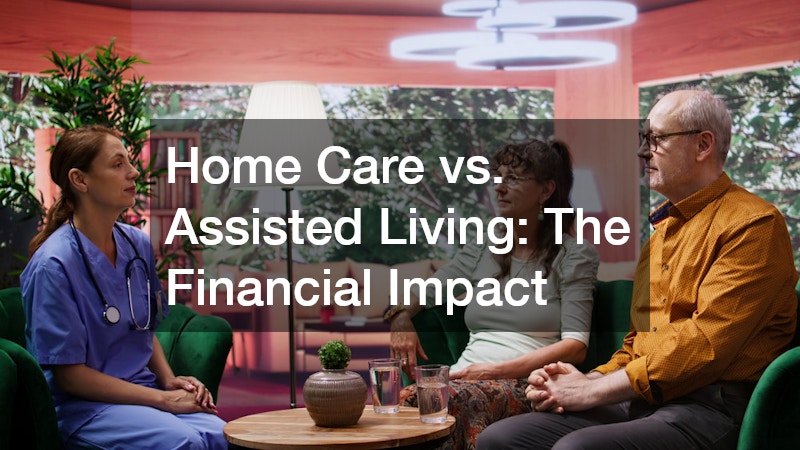

This article examines the financial implications of choosing between home care and assisted living. Both options are viable and depend on individual needs, but understanding cost implications is crucial.
Aging involves complex decisions, and budget constraints often dictate choice. This introduction sets the stage for analyzing costs, financial assistance, quality of care, and long-term financial repercussions, equipping readers with insights to make informed decisions. Readers should weigh these factors in the context of personal preferences and lifestyle to reach a choice aligning with their values.
Cost Differences Between Home Care and Assisted Living
1.1 Fixed and Variable Costs of Home Care
Home care includes fixed costs like rent and utilities, and variable costs such as medical supplies and care aides. Maintaining a home while bearing care expenses can be challenging, but expenses can be flexible with shared family responsibilities and local resources. This flexibility allows for adjustments in response to changing health statuses or family involvement.
1.2 Fixed and Variable Costs of Assisted Living
Assisted living facilities charge a fixed monthly fee, covering accommodation, meals, and care services. Additional charges apply for specialized care. Fixed costs aid budgeting, though entry fees can be a burden. Despite this, the stability in budgeting these services provides peace of mind for many families.
1.3 Comparing Common Expenses and Savings
While home care may seem cheaper, costs like home modifications, caregiver salaries, and medical services must be considered. Assisted living offers savings through amenities, community activities, and shared room arrangements. Indirect savings like mental well-being and family dynamics are important too. Both options should be examined not just based on current cost but also on future savings potential.
Financial Assistance Options Available
2.1 Government Programs and Grants
Programs like Medicaid and veterans’ benefits help with long-term care financial strain. Eligibility depends on factors like income and health needs. These aids alleviate burdens, allowing focus on quality care. Policy awareness and timely applications are key to capitalizing on available programs.
2.2 Nonprofit and Community Support
Nonprofits and community initiatives provide financial support opportunities. Meals on Wheels and local centers offer services to ease financial pressure. Community support networks are vital, aiding quality of life while managing costs. Engaging in these networks can also lead to social benefits, promoting overall wellness.
2.3 Long-Term Care Insurance Options
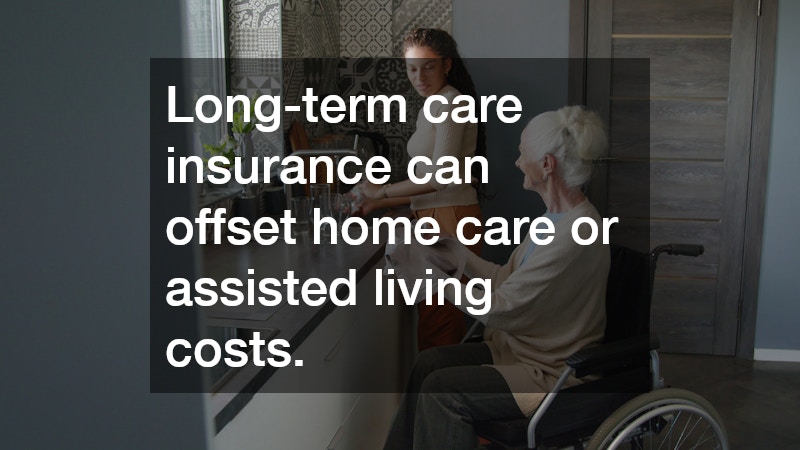
Long-term care insurance can offset home care or assisted living costs. Decisions should be made before significant health issues arise. Reviewing policies ensures coverage aligns with needs, giving control over financial futures. A strategic choice provides long-term security and peace of mind.
Quality and Services Impact on Pricing
3.1 Care Quality in Home and Facilities
Care standard influences pricing in both home and facilities. In-home care variability affects quality and cost. Assisted living provides standardized care regulated by benchmarks, offering predictability. Balancing cost and quality is crucial, particularly in home care. Regular quality checks and feedback help maintain high service standards.
3.2 Range of Services Offered
In-home care might require external services, increasing expenses. Assisted living provides comprehensive services, creating economies of scale. Evaluating service need versus cost extension is essential in planning. Prioritizing essential services ensures satisfaction without overwhelming costs.
3.3 Personalized Care and Customization
Personalization affects pricing, valued in both care models. In-home care offers more personalization at additional costs. Assisted living harmonizes standardized care with some personalization. Balancing customization costs is challenging. Customization should maintain a core focus on individual health needs and preferences.
Long-Term Financial Implications
4.1 Projecting Future Medical and Living Costs
Estimating future expenses is critical due to unpredictable healthcare needs. Home care may initially seem cost-effective, but future medical needs can change calculations. Assisted living offers predictable costs, minimizing financial spikes. Long-term financial planning with professional advice can minimize unforeseen burdens.
4.2 Estate Planning and Inheritance
Estate planning impacts finances and inheritance potential. Home care might preserve assets longer, benefiting heirs. Assisted living could deplete resources faster. Conversations about priorities help balance quality care and asset management. Structuring assets and wills with legal advice can ensure wishes are honored.
4.3 Inflation and Its Effects on Costs
Inflation affects long-term budgeting, impacting both care options. Factoring inflation safeguards against purchasing power erosion. Financial resilience ensures stability and predictability in senior care management. Regular financial reviews help keep plans on track with economic changes.
Selecting between home care and assisted living involves thorough financial exploration. Key considerations include costs, quality, and future impacts such as inflation and estate planning. A balanced view appreciates both models’ advantages, aligning care needs with economic resources for elder well-being. Empowered with knowledge, individuals can make informed decisions, ensuring a comfortable and supportive aging experience.